

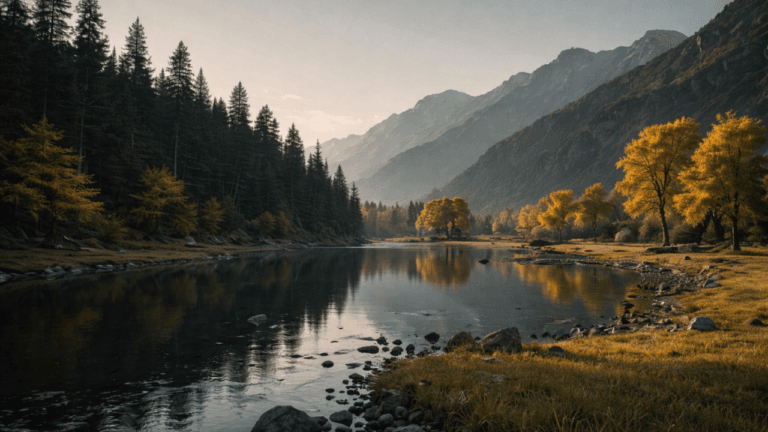
The best ai for realistic landscape generation refers to advanced machine learning models designed to transform text descriptions into high-fidelity, geographically accurate, or artistically stunning environmental imagery. These tools solve the problem of time-consuming manual 3D modeling for architects, game developers, and digital artists by automating the creation of natural terrain, urban planning layouts, and lighting simulations. By leveraging neural networks trained on millions of environmental photos, these generators allow users to produce professional-grade visuals in seconds rather than days.
Top Platforms for Photorealistic Scenery and Architecture
Selecting the right tool depends on your specific industry needs. For professionals requiring high-precision architectural renders, Phot.ai stands out by focusing on realistic lighting and material textures. It allows users to narrate specific scenes, such as mountain regions or city lights, and produces a visual representation instantly. This capability is critical for architects who need to present concepts to clients without investing hours into traditional rendering software.
For urban planners and city designers, Neighborbrite offers a specialized approach. Unlike general art generators, it incorporates functional data like solar simulations and traffic patterns into its designs. This makes it more than just an aesthetic tool; it becomes a utility for sustainable landscape planning. Meanwhile, Fotor provides a highly accessible web interface that uses advanced algorithms to generate digital landscapes for filmmakers and artists who need immediate inspiration or background assets.
Comparative Analysis of Landscape AI Tools
To help you choose the right software, the following table compares the core features and primary use cases of the leading landscape generation platforms available in 2026.
| AI Tool | Primary Strength | Target Audience | Key Feature |
|---|---|---|---|
| Phot.ai | Architectural Realism | Architects & Designers | Instant text-to-render capability |
| Neighborbrite | Urban Functionality | City Planners | Solar and traffic simulations |
| Fotor | Creative Accessibility | Digital Artists | One-click landscape generation |
| Midjourney | Visual Fidelity | Concept Artists | High-resolution texture detail |
| CGDream | Dynamic Elements | Game Developers | Wind and foliage animation effects |
How to Generate Realistic Landscapes from Text
Creating a high-quality environment requires more than a simple prompt. To get the most out of the best ai for realistic landscape generation, follow these technical best practices:
- Define the Lighting: Specify the time of day, such as “golden hour,” “overcast,” or “blue hour,” to dictate the mood and shadow depth of the landscape.
- Specify Geological Features: Use precise terms like “sedimentary rock layers,” “alpine tundra,” or “coniferous forest” to help the AI pull from the correct training datasets.
- Add Seasonal Context: Explicitly state if the scene should include frost, autumn foliage, or summer heat haze to ensure environmental consistency.
- Incorporate Motion: When using tools like CGDream or Runway, include descriptions of movement, such as swaying trees or flowing water, to prepare the scene for animation.
- Use Reference Images: Many top-tier tools allow you to upload a rough sketch to guide the AI on composition and horizon lines.
Advanced Animation and Open Source Options
The landscape of AI generation is shifting from static images to dynamic environments. Modern tools like Runway and the video features in Midjourney allow creators to animate their generated landscapes, adding a layer of realism through subtle camera pans and environmental movement. This is particularly useful for filmmakers who need high-quality plates for green-screen work.
For those who require more control over the underlying model, open-source options have become increasingly powerful. Specialized models are now designed specifically for fantasy landscapes, allowing for the creation of mythical environments that still maintain a sense of physical weight and realistic lighting. These open-source systems are often preferred by game developers who need to integrate the AI directly into their own development pipelines.
Frequently Asked Questions
Can I animate AI-generated landscapes?
Yes. Many modern platforms like CGDream and Runway include features for animating foliage, wind effects, and water movement to turn static images into cinematic loops.
Which AI is best for architectural landscape design?
Phot.ai and Neighborbrite are the leading choices for architecture, as they focus on realistic textures, solar data, and structural accuracy rather than just artistic style.
Are there free AI tools for landscape generation?
Platforms like Fotor and Dream by Wombo offer free tiers or trial credits that allow users to generate realistic landscapes without an upfront subscription.